
A shift in the soil
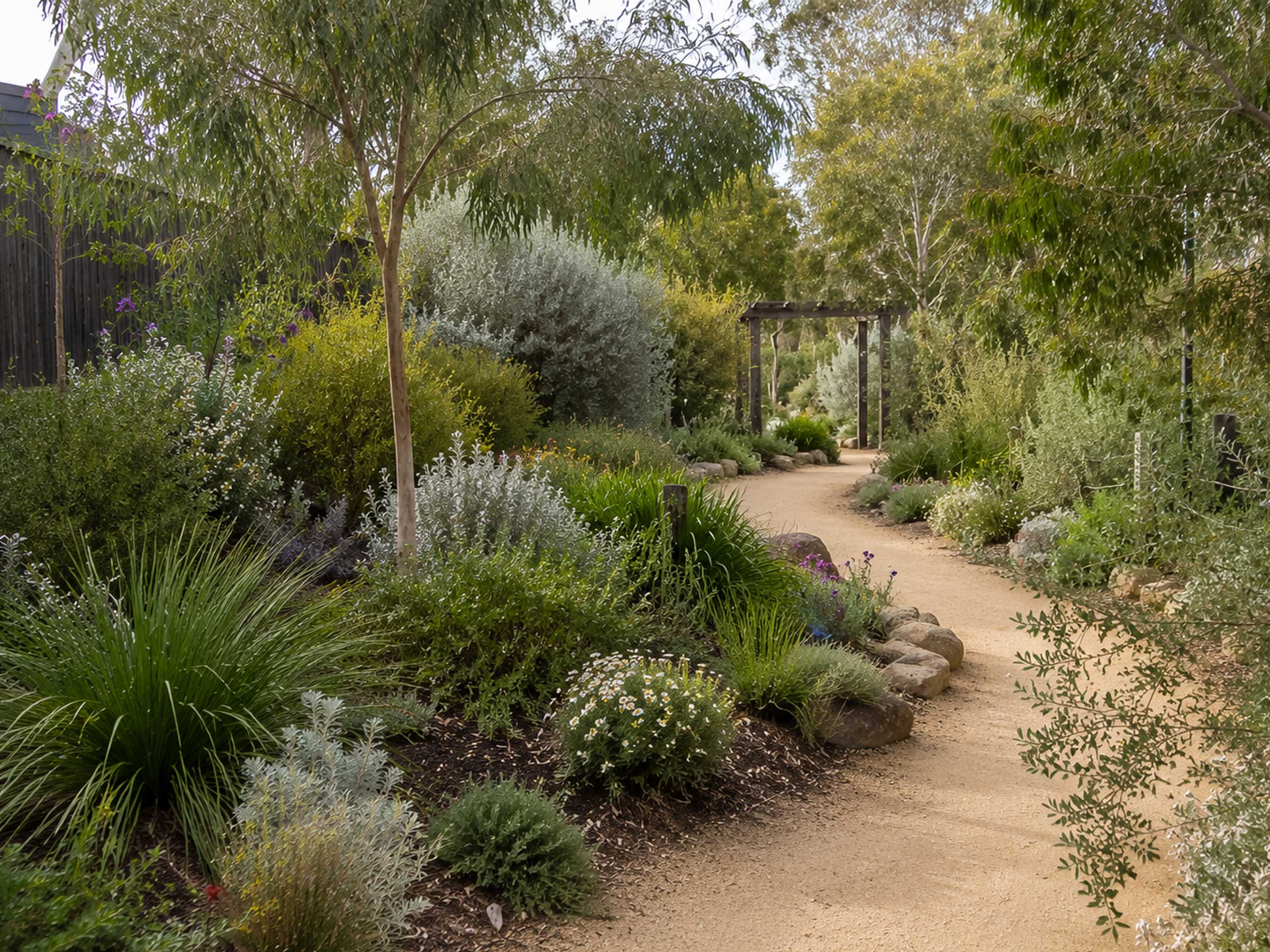
Hawthorn is renowned for its wide, leafy streets and structured European gardens. Yet, a quiet horticultural shift is transforming this residential pocket. Local gardeners are trading traditional manicured lawns for indigenous plantings.
This movement goes far beyond a simple aesthetic choice. It represents a calculated effort to restore the natural ecology of the Adelaide plains. Gardeners are now looking past the familiar roses and box hedges.
According to Katie Steinwedel of SALIFE, incorporating Australian native plants provides a powerful way to enhance urban biodiversity. These resilient species require significantly less water and offer a critical lifeline to local wildlife. They provide drought-tolerant alternatives that naturally belong to the local landscape.
Creating corridors for wildlife
Suburban backyards are no longer seen as isolated patches of green. Instead, they act as interconnected ecological corridors. By planting species native to the region, Hawthorn residents provide crucial habitats for urban pollinators.
Steinwedel notes that a diverse native flora collection plays a vital role in attracting bees, butterflies, and native birdlife. When neighbouring properties adopt similar planting strategies, they create a continuous safe passage for fauna. This movement helps wildlife travel safely across the paved urban landscape.
Groundcovers, dense shrubs, and tall canopy trees all work together to cool the suburban environment. The presence of native lizards, insects, and small birds naturally increases. This ultimately creates a self-sustaining ecosystem right in the residential backyard.
The practicalities of native landscaping
Switching to a native garden requires thoughtful preparation and a departure from conventional maintenance routines. Local authorities, such as the City of Unley, frequently encourage residents to rethink their front yards. Converting just a 10 m strip of lawn into an indigenous plant habitat makes a significant ecological difference.
Preparing the soil is the first major hurdle. Many native plants thrive in well-draining earth and do not require heavy synthetic fertilisers. Standard commercial composts can even harm phosphorus-sensitive species.
Establishing these plants might cost upwards of 50 dollars for advanced tube stock, but the long-term water savings are clear. Homeowners find that once established, these gardens demand less active intervention. The focus shifts from constant pruning to simply observing the natural growth cycles.
Sustaining the movement
Education remains central to the success of this local environmental effort. Community groups and specialist nurseries serve as essential resources for novice native gardeners. They offer precise guidance on selecting the right species for Hawthorn’s specific soil profile.
Jane Rowat, also writing for SALIFE, highlights that cultivating native flowers directly in the backyard allows residents to harness this floral diversity without damaging wild reserves. As more residents embrace this approach, the neighbourhood streetscape gradually evolves.
The preservation of native flora in residential suburbs proves that environmental stewardship begins at the front gate. These small, deliberate choices accumulate, ensuring the local ecosystem remains robust. A native garden is ultimately a living investment in the natural world.